L-Lysine: What It Is and How It Works
L-lysine is an essential amino acid mentioned in the sports world less often than leucine or arginine. Yet without it, the synthesis of collagen, the formation of carnitine and the normal growth of tissues are impossible. The editors explain what lysine is, how it is absorbed and metabolized, what functions it performs in the body and why it is often called the "limiting" amino acid of plant-based diets.
What L-lysine is
Lysine is one of the nine essential amino acids, meaning the human body cannot synthesize it on its own and must obtain it from food. The biologically active form is the L-form, which is part of proteins. Lysine has an additional amino group in its side chain, so it belongs to the basic (positively charged) amino acids along with arginine and histidine.
Lysine is one of the two amino acids considered purely ketogenic: its carbon skeleton is not converted into glucose but is broken down to acetyl-CoA. The second such amino acid is leucine.
The daily requirement of an adult, as estimated by the WHO/FAO/UNU expert group (2007), is about 30 mg per kilogram of body weight. For a person weighing 70 kg this is approximately 2.1 g per day, which is easily covered by a diet with a sufficient amount of animal protein or legumes.
In food science, lysine is known as the limiting amino acid of cereals. In wheat, rice and corn there is relatively little of it, so with a diet based mainly on grain products it is precisely lysine that first limits protein quality. This is one of the reasons why combining cereals and legumes is considered a classic way to improve a plant-based diet.
Absorption and metabolism of lysine
Lysine is absorbed in the small intestine with the help of cationic amino acid transporters, which it shares with arginine and ornithine. Because of this shared transport system, there is competition between lysine and arginine, which underlies some hypotheses about the action of lysine supplements.
The main pathway for breaking down lysine in humans is the saccharopine pathway, which occurs mainly in the mitochondria of the liver. The end product is acetyl-CoA, which can be used for the synthesis of ketone bodies, fatty acids, or oxidized to produce energy.
Part of the lysine is not broken down but undergoes post-translational modifications while already part of proteins. Hydroxylation of lysine in collagen, methylation and acetylation in histones, attachment of biotin in carboxylases - all these are examples of lysine performing not only a structural but also a regulatory function.
A review by Flodin (1997) describes in detail the metabolic roles of lysine, its pharmacology and toxicology and remains one of the basic sources on this topic.

Functions of lysine in the body
Collagen and connective tissue.In collagen, some of the lysine residues are hydroxylated with the participation of vitamin C, and then the enzyme lysyl oxidase forms cross-links between collagen fibers. It is precisely these cross-links that give strength to tendons, ligaments, skin and the bone matrix.
Carnitine synthesis.Carnitine, needed for the transport of long-chain fatty acids into the mitochondria, is formed from lysine, which is methylated to trimethyllysine within proteins. This pathway was described in detail by Vaz and Wanders (2002). At the same time, for a healthy person with normal nutrition, carnitine deficiency due to a lack of lysine is unlikely.
Calcium metabolism.In the study by Civitelli and colleagues (1992), lysine intake was associated with increased calcium absorption in the intestine and reduced loss of it in the urine. This is an interesting physiological effect, but its clinical significance for the prevention of osteoporosis has not been established.
Gene regulation.Lysine residues in histones - the proteins around which DNA is wound - are a target for acetylation and methylation. These epigenetic marks affect which genes will be active. This is fundamental biology, which does not mean that lysine supplements alter gene expression.
- A building component of all the body's proteins.
- A precursor of hydroxylysine and collagen cross-links.
- A precursor of carnitine.
- A participant in the regulation of calcium metabolism.
- A target of epigenetic modifications of proteins.
Food sources of lysine
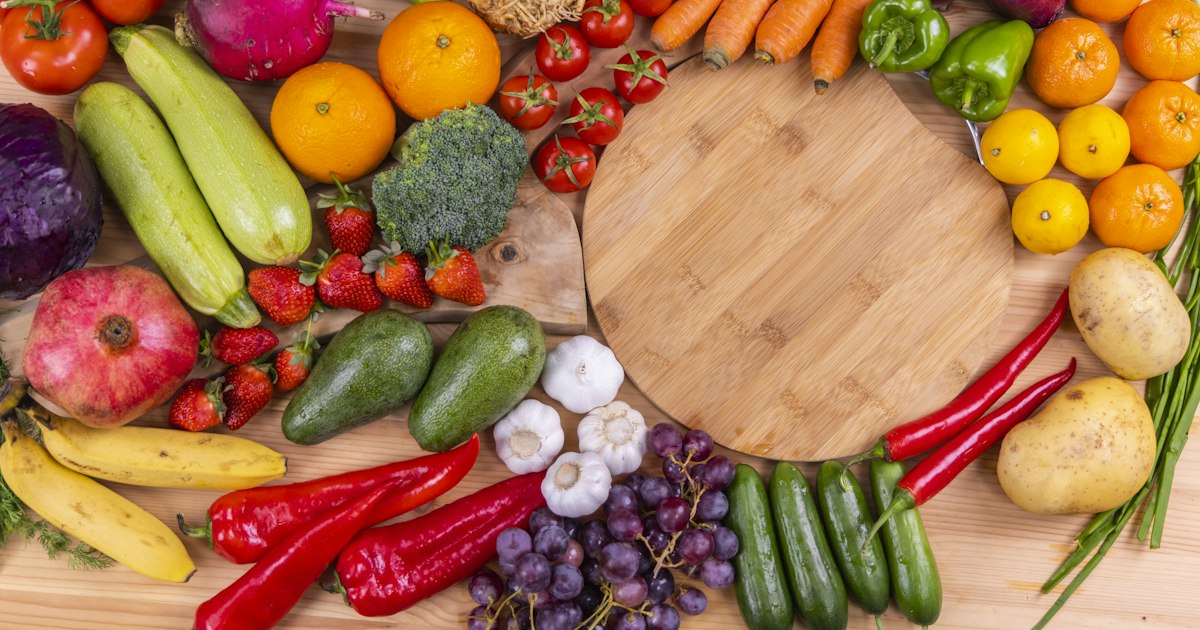
The richest in lysine are products of animal origin: meat, poultry, fish, eggs, dairy products. Among plant sources, legumes stand out - lentils, beans, chickpeas, soy - as well as quinoa and buckwheat, where the lysine content is higher than in most cereals.
| Food group | Lysine content in protein | Comment |
|---|---|---|
| Meat, fish, poultry | High | Cover the requirement effortlessly |
| Dairy products, eggs | High | Whey protein is also rich in lysine |
| Legumes and soy | High among plant sources | The main source for vegans |
| Quinoa, buckwheat | Moderate | A better profile than cereals |
| Wheat, rice, corn | Low | Lysine is the limiting amino acid |
Heat treatment of protein products together with sugars can partly reduce the availability of lysine through the Maillard reaction: the free amino group of lysine binds with sugars, forming compounds that are poorly absorbed. This matters for the food industry, but with an ordinary varied diet it rarely causes problems.
People on a vegan diet should regularly include legumes and soy products, since a diet based mainly on cereals, vegetables and fruit may be insufficient in lysine.
Lysine deficiency in developed countries is rare and occurs mainly with very poor diets built on a single cereal. Smriga and colleagues (2004), in a study in communities in northern Syria where wheat was the basis of the diet, showed that fortifying flour with lysine reduced anxiety and stress scores.
Lysine as a supplement: why it is taken
The best-known use of lysine supplements is the prevention of recurrences of herpes simplex. The hypothesis is that the virus needs arginine to reproduce, and lysine competes with it. Early studies by Griffith and colleagues (1978, 1987) reported a benefit, but later reviews rate the evidence as limited and inconsistent.
In the sports context, lysine is sometimes marketed as a growth hormone stimulant in combination with arginine, as well as an aid for supporting connective tissue. The evidence base for these uses is weak, which the editors discuss in detail in a separate material.
Lysine is most often sold in the form of L-lysine hydrochloride in tablets, capsules and powder. It is also part of essential amino acid complexes and many protein products.
A systematic review by Hayamizu and colleagues (2019) on the safety of oral lysine intake concluded that in studies in adults, doses of up to several grams per day were well tolerated, and side effects mostly concerned digestion.
Editorial conclusions
L-lysine is an essential ketogenic amino acid needed for the synthesis of proteins, collagen and carnitine and for the regulation of calcium metabolism.
An adult's requirement, about 30 mg/kg per day, is easily covered by a diet with animal protein or legumes; the risk of deficiency mainly concerns diets based on cereals.
Lysine supplements have a limited evidence base, and their main "niche" is related to herpes, not to sport.
We also recommend our materials "The Benefits of L-Lysine for Athletes: The Evidence Base," "Side Effects of L-Lysine" and "How to Take L-Lysine: Dosage, Timing, Duration."
References
- World Health Organization, Food and Agriculture Organization, United Nations University. Protein and amino acid requirements in human nutrition. WHO Technical Report Series 935. Geneva: WHO; 2007.
- Flodin NW. The metabolic roles, pharmacology, and toxicology of lysine. J Am Coll Nutr. 1997;16(1):7–21.
- Vaz FM, Wanders RJA. Carnitine biosynthesis in mammals. Biochem J. 2002;361(Pt 3):417–429.
- Civitelli R, Villareal DT, Agnusdei D, et al. Dietary L-lysine and calcium metabolism in humans. Nutrition. 1992;8(6):400–405.
- Smriga M, Ghosh S, Mouneimne Y, Pellett PL, Scrimshaw NS. Lysine fortification reduces anxiety and lessens stress in family members in economically weak communities in Northwest Syria. Proc Natl Acad Sci USA. 2004;101(22):8285–8288.
- Griffith RS, Walsh DE, Myrmel KH, Thompson RW, Behforooz A. Success of L-lysine therapy in frequently recurrent herpes simplex infection. Treatment and prophylaxis. Dermatologica. 1987;175(4):183–190.
- Hayamizu K, Oshima I, Fukuda Z, et al. Safety assessment of L-lysine oral intake: a systematic review. Amino Acids. 2019;51(4):647–659.
Andriy Melnyk
A strength-sports coach and author of programs for beginner and intermediate levels. Writes about training planning.