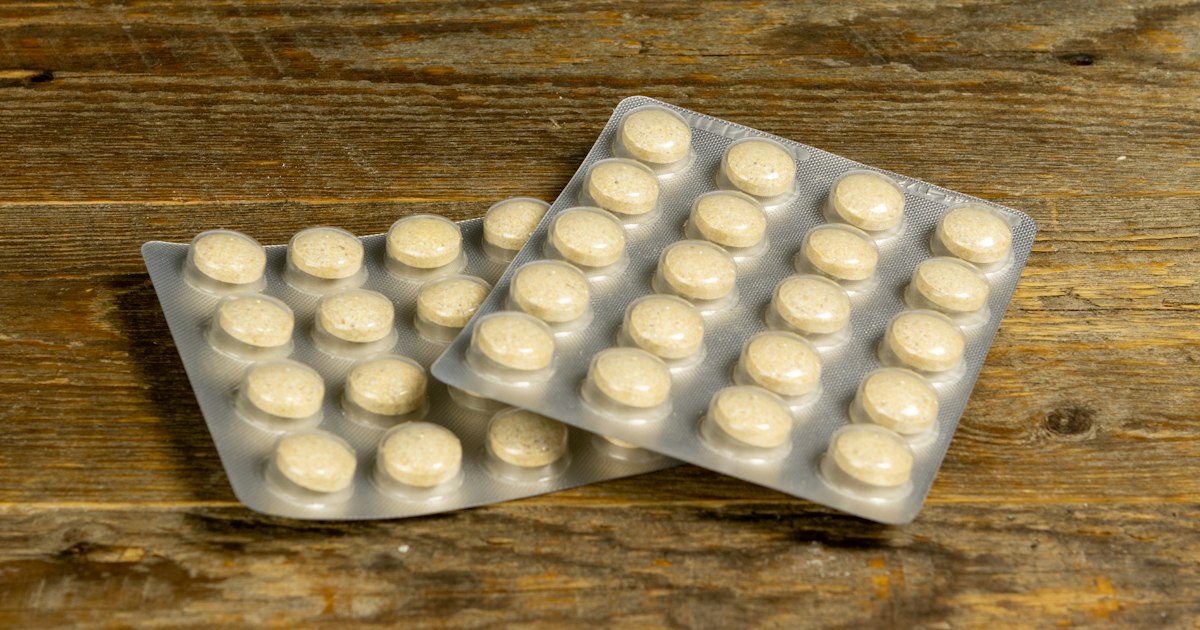
Probiotics After 40

After forty, digestion often becomes less "forgiving": bloating and constipation appear, and antibiotics and other medications have to be taken more often. Against this background, probiotics look like a logical solution. The editors examined how the microbiota changes with age, in which situations probiotics have evidence-based support and why clinical guidelines are much more restrained than the advertising.
How the microbiota changes with age
The gut microbiota is relatively stable in adulthood, and the most noticeable changes are observed in the elderly. In the study by Claesson and colleagues (2012), the composition of the microbiota of elderly people closely correlated with the type of diet, place of residence and state of health: in residents of care homes with a monotonous diet, the diversity of microbes was lower.
For the 40-60 age range, the key conclusion is this: age in itself affects the microbiota less than lifestyle does. A diet with enough fiber, physical activity and moderation in medications are more important than the number in your passport.
At the same time, after forty, factors that disrupt the microbial balance appear more often: courses of antibiotics, long-term use of proton pump inhibitors, metformin, reduced mobility, changes in eating habits.
Therefore it is reasonable to speak not of an "age-related need for probiotics" but of specific situations in which their use may be justified.
Antibiotics: the most justified scenario
The best-studied scenario is the prevention of antibiotic-associated diarrhea. The meta-analysis by Hempel and colleagues (2012) in JAMA showed that probiotics reduce the risk of such diarrhea compared with controls. The Cochrane review by Goldenberg and colleagues (2017) concluded that there is moderate evidence of a reduced risk of diarrhea associated with Clostridioides difficile in people receiving antibiotics.
The American Gastroenterological Association (AGA) in its 2020 guidelines made a conditional recommendation for certain strains and combinations for the prevention of C. difficile infection in adults on antibiotics, while emphasizing the low quality of the evidence.
After forty, antibiotics are prescribed more often, and the risk of C. difficile increases with age. So this is the most rational reason to consider a probiotic - together with the doctor who prescribed the antibiotic.
Important: probiotics do not make up for unnecessary antibiotics. The best protection for the microbiota is not to take antibiotics without indications.

Digestion: constipation, bloating, IBS
Constipation and bloating are common complaints after forty. Certain strains of bifidobacteria and lactobacilli somewhat improved stool frequency in studies, but the effect is small and depends on the strain.
The 2020 AGA guidelines generally do not recommend probiotics outside of clinical trials for many conditions, in particular for irritable bowel syndrome and inflammatory bowel diseases in adults, due to insufficient evidence.
This does not mean that probiotics "do not work": some people feel improvement. But it is worth assessing the result honestly - if there are no changes after 4 weeks, there is no sense in continuing to take them.
New or persistent symptoms after forty - a change in the nature of the stool, blood, weight loss, anemia - require examination, in particular colorectal cancer screening. Probiotics should not delay a visit to the doctor.
| Situation | Position of the evidence | Practical conclusion |
|---|---|---|
| Taking antibiotics | Moderate evidence of reduced diarrhea risk | Can be discussed with a doctor |
| Constipation | Small effects of certain strains | First fiber, water, movement |
| Irritable bowel syndrome | AGA does not recommend outside of trials | An individual trial, assessment at 4 weeks |
| Metabolic health | Small effects on lipids, glucose | Does not replace treatment |
| Bone tissue | One RCT in elderly women | Promising but not proven |
Metabolism, bones, immunity
After forty, insulin resistance, elevated cholesterol and excess weight often appear. Meta-analyses of individual studies show that probiotics may slightly affect fasting glucose and lipids, but these effects are small and inconsistent.
No probiotic is a means of weight loss or a replacement for statins and glucose-lowering drugs. A realistic expectation is a slight complement to diet and movement, not a standalone treatment.
Interesting data have been obtained on bone tissue: in the study by Nilsson and colleagues (2018), the strain Lactobacillus reuteri reduced the loss of bone mass in elderly women with reduced bone density. However, this is one study of one strain.
For active people after forty, probiotics have been studied in relation to the frequency of colds during periods of intense training. Some strains reduced the number of episodes, but the data are mostly obtained in younger groups.
Nutrition, choice and safety
For the gut after forty, the most important "prebiotic" is ordinary fiber from vegetables, fruit, legumes and whole grains. It feeds your own bacteria and often gives a greater effect than capsules with microorganisms.
Fermented foods - yogurt, kefir, sauerkraut - add live microorganisms to the diet. They are not probiotics in the strict sense (the strain and dose are usually not stated), but they are part of a healthy diet.
Probiotics are safe for most people, but in severe immunodeficiency, chemotherapy, a central venous catheter or acute pancreatitis, the risk of infections increases. In these cases the decision is made by a doctor.
Choose a product with a stated strain and dose in CFU, check the goal against studies of that specific strain, and observe the storage conditions.
- daily fiber from various plant sources;
- fermented foods in the diet;
- antibiotics - only when indicated;
- a probiotic - with a specific goal and a known strain;
- new symptoms - a reason for examination.
Editorial conclusions
After forty, the microbiota changes more because of lifestyle and medications than because of age. The most justified reason to take probiotics is a course of antibiotics.
For most other purposes the guidelines are restrained, and the effects are small and strain-dependent.
The foundation of gut health is fiber, movement and the sensible use of medications; probiotics only complement this foundation.
We also recommend reading our materials "Psyllium After 40," "Probiotics for Women: Are There Any Specifics" and "Coenzyme Q10 After 40."
References
- Hill C, Guarner F, Reid G, et al. Expert consensus document. The International Scientific Association for Probiotics and Prebiotics consensus statement on the scope and appropriate use of the term probiotic. Nat Rev Gastroenterol Hepatol. 2014;11(8):506–514.
- Claesson MJ, Jeffery IB, Conde S, et al. Gut microbiota composition correlates with diet and health in the elderly. Nature. 2012;488(7410):178–184.
- Hempel S, Newberry SJ, Maher AR, et al. Probiotics for the prevention and treatment of antibiotic-associated diarrhea: a systematic review and meta-analysis. JAMA. 2012;307(18):1959–1969.
- Goldenberg JZ, Yap C, Lytvyn L, et al. Probiotics for the prevention of Clostridium difficile-associated diarrhea in adults and children. Cochrane Database Syst Rev. 2017;12:CD006095.
- Su GL, Ko CW, Bercik P, et al. AGA clinical practice guidelines on the role of probiotics in the management of gastrointestinal disorders. Gastroenterology. 2020;159(2):697–705.
- Nilsson AG, Sundh D, Bäckhed F, Lorentzon M. Lactobacillus reuteri reduces bone loss in older women with low bone mineral density: a randomized, placebo-controlled, double-blind, clinical trial. J Intern Med. 2018;284(3):307–317.
Andriy Melnyk
A strength-sports coach and author of programs for beginner and intermediate levels. Writes about training planning.